Loading...

FREQUENTLY ASKED QUESTIONS

STAY INFORMED

FAQs About LARTP

Have questions about the LA Recreation and Technology Park? Compiled on this page are answers to some of the most common questions regarding development standards, environmental impacts, project milestones timelines, and more.


As new information becomes available, this page will continue to be updated, so be sure to check back regularly.

LA Recreation & Technology Park

Select a topic below to view questions

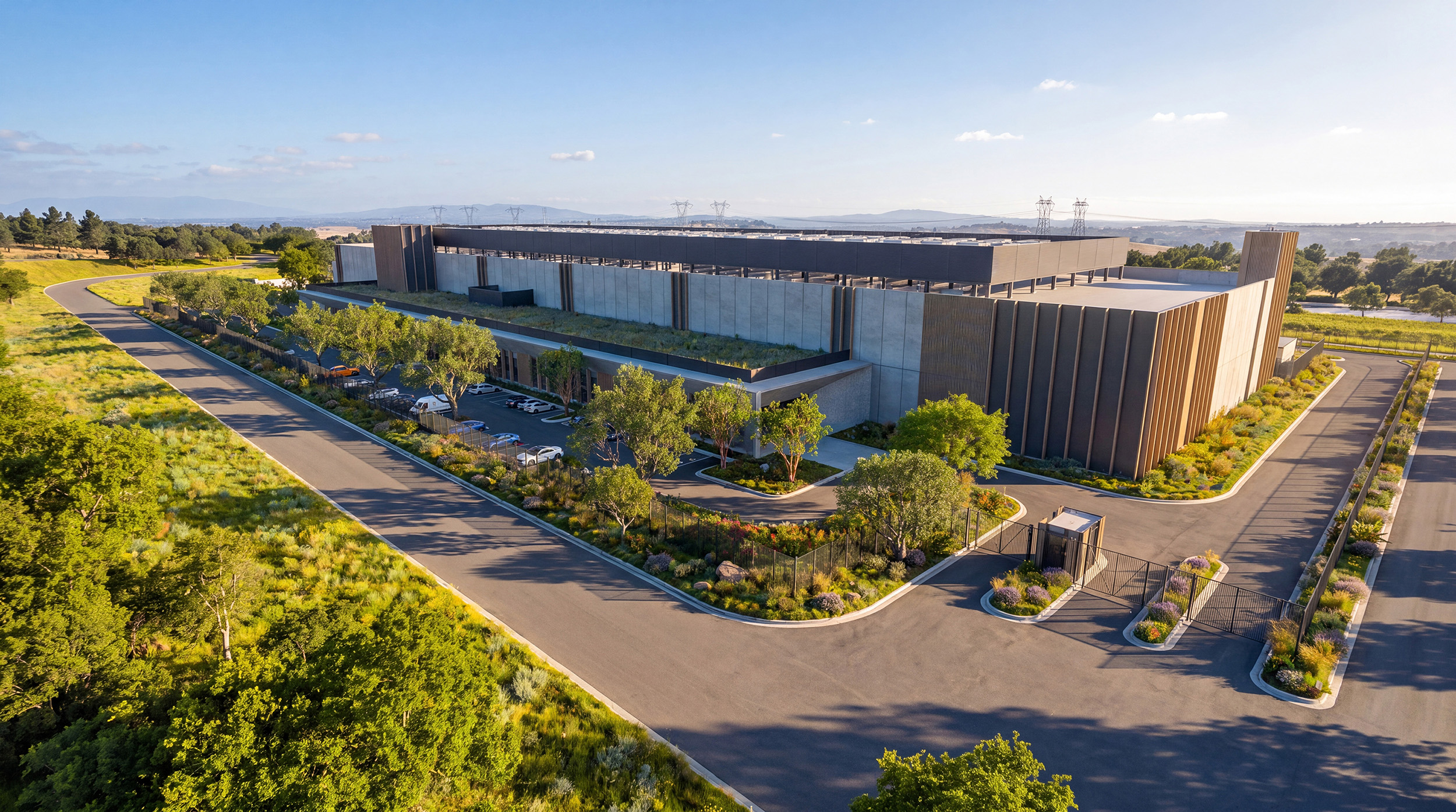
The Los Angeles Recreation and Technology Park (LARTP) is a proposed redevelopment of the 124-acre California Country Club property that would combine a modern technology facility with a redesigned nine-hole golf course, substantially landscaped open space, habitat areas, and enhanced site improvements. The project is being designed as an integrated park, with the technology use concentrated on 18-acres of the property and recreation and open space continuing to remain a significant part of the site.

The property presents an opportunity to reinvest in an existing site while preserving meaningful recreation and open space. The proposed technology use would occupy a limited portion of the property and would help support a broader reconfiguration of the site, including a nine-hole golf course, extensive landscaping and open space, habitat improvements, and new community benefits that will be defined by a to-be-formed committee of advisors from the adjacent communities. The proposal is also being evaluated through a comprehensive environmental review so that its impacts, infrastructure needs, and benefits can be fully understood before any final approvals are considered.

The site is being evaluated because of its size, access to major infrastructure, location within the City of Industry, and ability to accommodate a technology use while maintaining substantial buffers, recreation, landscaping, and open space. Its suitability is not being assumed. Power, traffic, noise, air quality, biological resources, water, utilities, public safety, and other environmental considerations will be studied through the project design and an environmental review process and will become public once published.

The current design concentrates the technology campus on approximately 18 acres of the 124 acre property. The balance of the site (about 106 acres) is planned for the redesigned nine-hole golf course, landscaping, habitat, open space, circulation, and related improvements. Acreages will continue to be refined as the site plan and environmental review are completed.

A substantial majority of the property will remain outside the data center development area. The current plan assumes approximately 106-acres will remain for a redesigned nine-hole golf course, open space, landscaped buffers, habitat, and other site improvements. Final acreages will be confirmed through the entitlement and environmental review process.

No. The proposal retains golf as a continuing use of the property through a redesigned nine-hole course. The redesign also allows the project to reduce water usage linked to turf irrigation and incorporate more native and adaptive landscaping, habitat areas, and naturalized open space.

That is ultimately a policy decision for the City after public review. The project team is requesting a project-specific land use framework that would allow a technology use on a defined portion of the property while preserving golf, recreation, landscaping, habitat, and open space across the remainder of the property. The proposed Specific Plan is intended to establish clear development standards, environmental protections, design requirements, and limits that apply specifically to this project.

The City of Industry was established around employment-generating and economic uses, supported by transportation and infrastructure, while also accommodating complementary uses that serve the community and workforce. LARTP is being designed to combine a modern technology and infrastructure use with continued recreation and substantial open space. The formal General Plan consistency analysis will be part of the City’s entitlement review and will evaluate the project against the applicable goals, policies, land-use framework, and required findings.

The annual water usage of the data center is anticipated to be roughly 300,000 gallons per year (<1 AFY), largely attributed to the administrative office portions of the building. This is 483% less than what is currently being used for the property’s existing eighteen-hole golf course operations and turf irrigation. The data center’s critical cooling system is a closed-loop system and should not use water on an ongoing basis following the initial fill/flush/refill at startup.

The current California Country Club uses roughly 145,000,000 gallons per year (approximately 445 AFY) on average; this is over 480 times the amount anticipated for the proposed data center alone.

The renovated golf course and data center combined is anticipated to reduce the property’s current water consumption by 13%. The combined water usage of the renovated golf course (329 AFY), data center itself (<1 AFY), and the data center landscaping (58 AFY) should be approximately 388 AFY. This will be reviewed during the EIR process.

No. The data center will be 100% air-cooled using a closed-loop cooling system. Only in the event where back up generation is required (regional wide power outage for example) would the data center use a water-based cooling system and in that event only, recycled, non-drinkable water would be used.

To save water. An air-cooled, closed-loop, non-evaporative cooling water system uses zero water.

Yes, the reconfigured nine-hole golf course will continue to use recycled, non-drinkable water.

The project proposes a substantial reduction in maintained turf and replaces large portions of the site with native and adaptive landscaping, naturalized open space, habitat areas, and ecological planting communities. The landscape design emphasizes drought-tolerant species, strategic irrigation, layered vegetation, and restoration-inspired landscapes that reflect regional character while reducing long-term water demand. Together, these measures support a more sustainable and water-efficient landscape than the existing turf-dominated golf course.

Any ongoing recycled, non-drinkable water usage of the data center, after the initial cooling system startup, is comparable to that of the size of an administrative office area within an office building. The proposed project is anticipated to use 483% less water than the existing golf course operates today. This reduction is achieved through a significant decrease in intensively managed turf and an increase in native, adaptive, and naturalized landscape areas consistent with the vision.

Up to 99 megawatts.

100% renewable energy generation.

Yes.

Yes, new transmission lines and a new onsite substation will be required.

All of the infrastructure upgrades and power use will be paid for by LARTP; this cost will not fall on the general public consumer.

No, nearby residents should not expect electricity rates to increase.

Yes, nearby residents should expect rates to go down. Southern California Edison’s upgrades to support LARTP are expected to result in an overall economy of scale, such that residents, who use a smaller percentage of the overall capacity, will realize a rate decrease.

The project is expected to increase electrical reliability due to further developed regional electrical utility infrastructure, and resulting economies of scale.

There is potential for SCE to require the project to operate some or all of the project’s onsite backup power generators during extreme grid demand emergencies, to free up capacity for residents and businesses, for a few hours at a time. SCE may be able to offer an interruptible rate plan for the project. Many utilities in the US offer similar programs because it allows utilities to prepare for extreme grid demand without constructing new “peaker” generator plants or operating the oldest, most polluting peaker plants.

100%.

California Title 24, as well as the utilization of energy-efficient equipment including pumps, motors, transformers and UPS systems. This is more costly for the project but energy-efficient equipment provides a fast payback for this type of facility, that operates continuously around the clock.

The redesigned golf course is planned as a nine-hole course.

Approximately 97 acres of irrigated turf exist today. The proposed project would reduce irrigated turf to approximately 33 acres, a reduction of about 64 acres or 66%. The remaining turf would be focused on active golf play areas, while former turf areas would transition to native and adaptive landscapes, amenities, habitat areas, and naturalized open space.

Yes. Under the current proposal, the redesigned golf course would remain privately operated. The project is separately evaluating community-serving amenities and benefits that can be incorporated into the broader park and community benefits program.

The project team plans to consult with the community to evaluate opportunities for community-serving recreation and open-space amenities as part of the overall site plan and community benefits program. The final mix, location, access, and operating details have not yet been established and will be refined through design, City coordination, and community outreach.

Approximately 750 new trees are proposed in the project’s redevelopment.

The existing golf course has significant elevation changes, which naturally limits views across the property. As a result, the data center is expected to have limited visibility from many of the surrounding homes and streets.

To top